
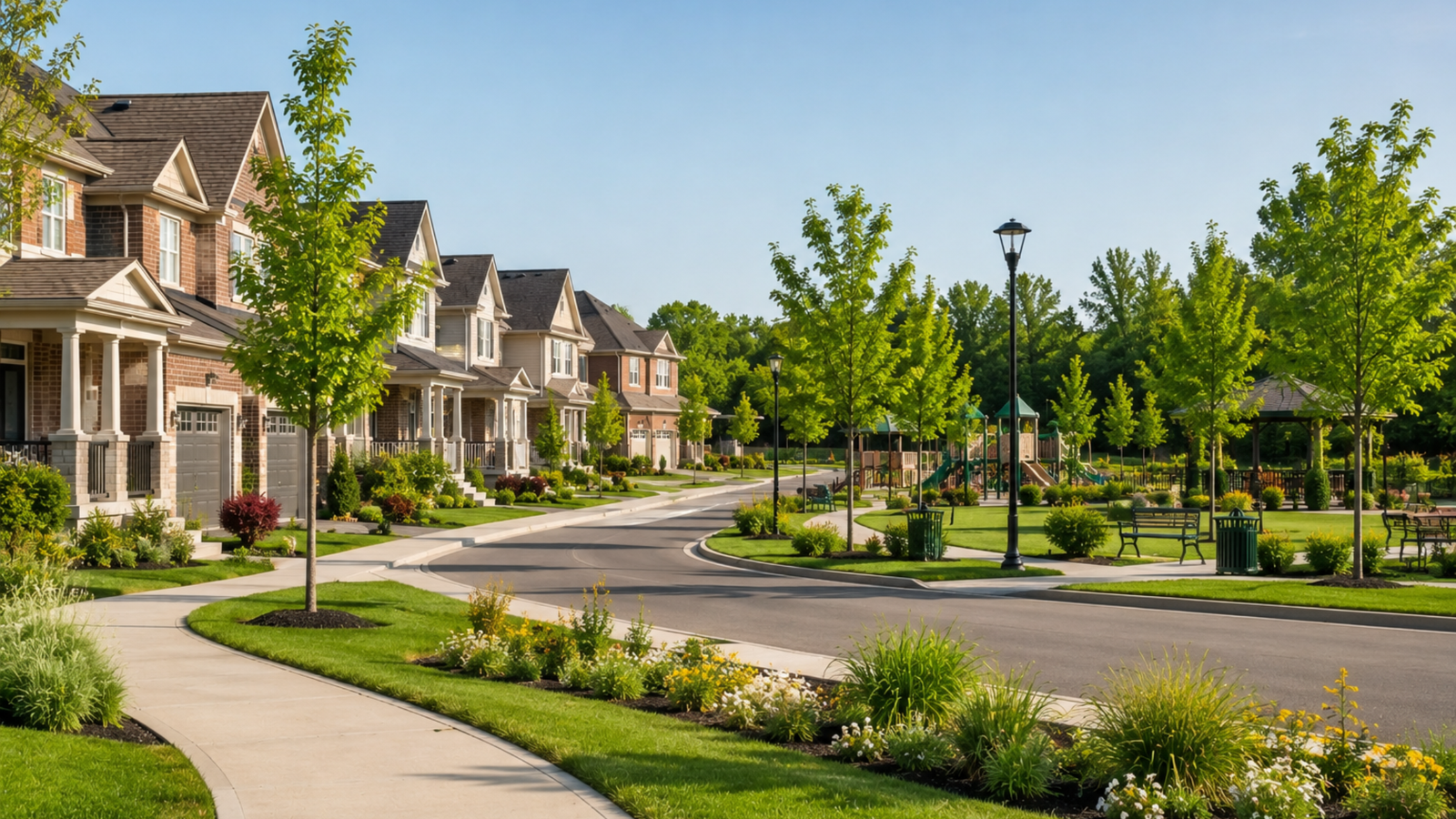
Communities don’t grow by chance, they evolve through a combination of thoughtful planning, strategic infrastructure, and a keen understanding of what residents need today and in the future. The way a neighbourhood develops affects everything from daily convenience to long-term property values, shaping how people live, work, and interact. Residential neighbourhood growth is driven not just by the number of homes built but by the quality of design, access to amenities, green spaces, and community connectivity.
As buyers seek more than just a house, they prioritise communities that offer balance, functionality, and lifestyle benefits. Understanding the factors that drive modern residential growth helps homeowners, developers, and city planners make decisions that foster vibrant, sustainable, and desirable neighbourhoods. Communities like Zancor Brooklin sales demonstrate how integrating these elements can create spaces where families thrive and the neighbourhood flourishes for decades.
Planning and Design Shape Neighbourhood Functionality
Thoughtful design is the foundation of sustainable growth. Residential areas planned with connected roads, clear zoning, and carefully designed open spaces allow residents to move freely and enjoy a cohesive environment.
Master-planned layouts consider pedestrian pathways, cycling routes, and access to daily conveniences. This kind of planning not only improves safety and accessibility but also encourages a sense of community. Proper design ensures that homes, green spaces, and amenities work in harmony, fostering both long-term growth and a high quality of life.
Amenities That Enhance Daily Living
Access to essential services is a major driver of residential neighbourhood growth. Families look for proximity to schools, healthcare facilities, shopping centres, and recreational areas when deciding where to live.
A well-equipped neighbourhood reduces daily travel time and encourages residents to stay active within their local community. Parks, playgrounds, and public spaces offer opportunities for social interaction, exercise, and relaxation, helping to create a vibrant, connected neighbourhood.
Connectivity and Transportation
Infrastructure and transportation networks play a critical role in neighbourhood growth. Communities with convenient access to highways, regional roads, and public transit attract commuters who value both convenience and lifestyle.
Reliable transportation links encourage economic activity and make the area appealing for residents and local businesses alike. Well-connected neighbourhoods like those in Brooklin allow residents to enjoy suburban living without sacrificing access to urban amenities.
Community Identity and Lifestyle Considerations
Modern buyers consider how a neighbourhood aligns with their lifestyle. Residential growth is often supported by features that make a community more liveable, such as walking trails, preserved green spaces, and family-oriented facilities.
Lifestyle-oriented planning can include mixed-use developments that integrate housing, retail, and community spaces. A neighbourhood that prioritises both social and recreational spaces often experiences higher demand, faster sales, and longer-term stability.
Supporting Families Through Diverse Housing Options
Growth is also influenced by the variety of housing types available. Communities that offer townhouses, semi-detached homes, and detached homes cater to a wide demographic, from first-time buyers to growing families.
By offering flexible options, developers ensure the community meets residents’ needs across different life stages. This approach not only attracts more buyers but also encourages longer residency, which strengthens neighbourhood stability and value over time.
Regulatory Oversight and Builder Accountability
Another key factor affecting residential neighbourhood growth is the reliability and reputation of the builder. Buyers need assurance that construction meets safety and quality standards. In Ontario, for example, all new-home builders are licensed through the HCRA / Ontario Builder Directory, allowing potential homeowners to verify a builder’s track record before making a purchase.
This regulatory framework ensures compliance, protects buyers, and fosters trust in growing communities. Placing this section under “Built by an Experienced Team” provides a clear actionable step for readers while reinforcing credibility and EEAT signals.
Environmental and Recreational Features
Green spaces are central to neighbourhood appeal. Parks, walking trails, and preserved natural areas improve resident wellbeing, promote outdoor activity, and enhance the aesthetic appeal of the community.
Neighbourhoods that integrate environmental considerations with recreational amenities tend to experience stronger and more sustained growth. They provide a healthier, more enjoyable living experience that encourages families to invest in the area long-term.
The Role of Commercial and Social Infrastructure
Local businesses, retail options, and healthcare facilities support residential growth by making neighbourhoods self-sufficient. Residents value communities where they can meet daily needs without excessive commuting.
Social infrastructure, such as community centres, libraries, and sports facilities, also adds to a neighbourhood’s appeal. Together, these factors create a well-rounded environment that draws new residents while maintaining engagement and satisfaction among existing ones.
Tracking Residential Neighbourhood Growth in Brooklin
Observing successful communities like Brooklin demonstrates how these factors work together. Developments like Zancor Brooklin sales highlight how strategic planning, access to amenities, diverse housing, and preserved green spaces contribute to neighbourhood growth.
By blending design, infrastructure, and lifestyle considerations, these communities provide an example of how residential growth can be managed to meet modern expectations and long-term sustainability.
Planning for Future Expansion
Long-term growth requires foresight. Neighbourhoods that anticipate population increases, evolving demographics, and infrastructure needs can adapt without losing cohesion.
Developers and city planners incorporate flexible zoning, infrastructure planning, and community engagement strategies to ensure the neighbourhood remains vibrant and functional as it grows. This proactive approach benefits both residents and investors.
Thoughtful Planning Drives Neighbourhood Success
Modern residential neighbourhood growth isn’t accidental—it’s the result of integrated planning, careful design, and a deep understanding of residents’ needs. Communities that prioritise connectivity, amenities, environmental features, and builder accountability provide better living experiences while supporting sustainable growth.
For prospective homeowners seeking a community that blends modern living with long-term planning, Zancor Brooklin sales offers an ideal example of how a neighbourhood can combine convenience, lifestyle, and thoughtful design. Investing in a home within such a community means choosing more than a property—it’s choosing a neighbourhood designed for today and tomorrow.